
Sell Your Manufacturing Business in the San Francisco Bay Area
From Silicon Valley's semiconductor supply chain to the East Bay's precision machining corridor and South San Francisco's biotech manufacturing hub, we help Bay Area manufacturers navigate the California exit tax, industrial space scarcity, and complex technical exits — and get paid what the business is actually worth.
Why Bay Area Manufacturers Command Premium Valuations

The San Francisco Bay Area is known for software — but the region's manufacturing sector is one of the most valuable per-establishment in the entire country. More than 4,000 manufacturers operate across Santa Clara, Alameda, San Mateo, and Contra Costa counties, producing everything from semiconductor equipment components to medical devices to precision aerospace parts.
Bay Area manufacturers don't compete on volume. They compete on technical sophistication, speed, and proximity to the most demanding R&D departments in the world. When Apple, Tesla, Applied Materials, or a Series C biotech startup needs a prototype machined from a block of titanium by Friday, they call a Bay Area shop — not a facility in Ohio. That speed-to-market capability is worth a fortune, and buyers know it.
Strategic buyers and PE groups are targeting Bay Area manufacturing for three specific reasons:
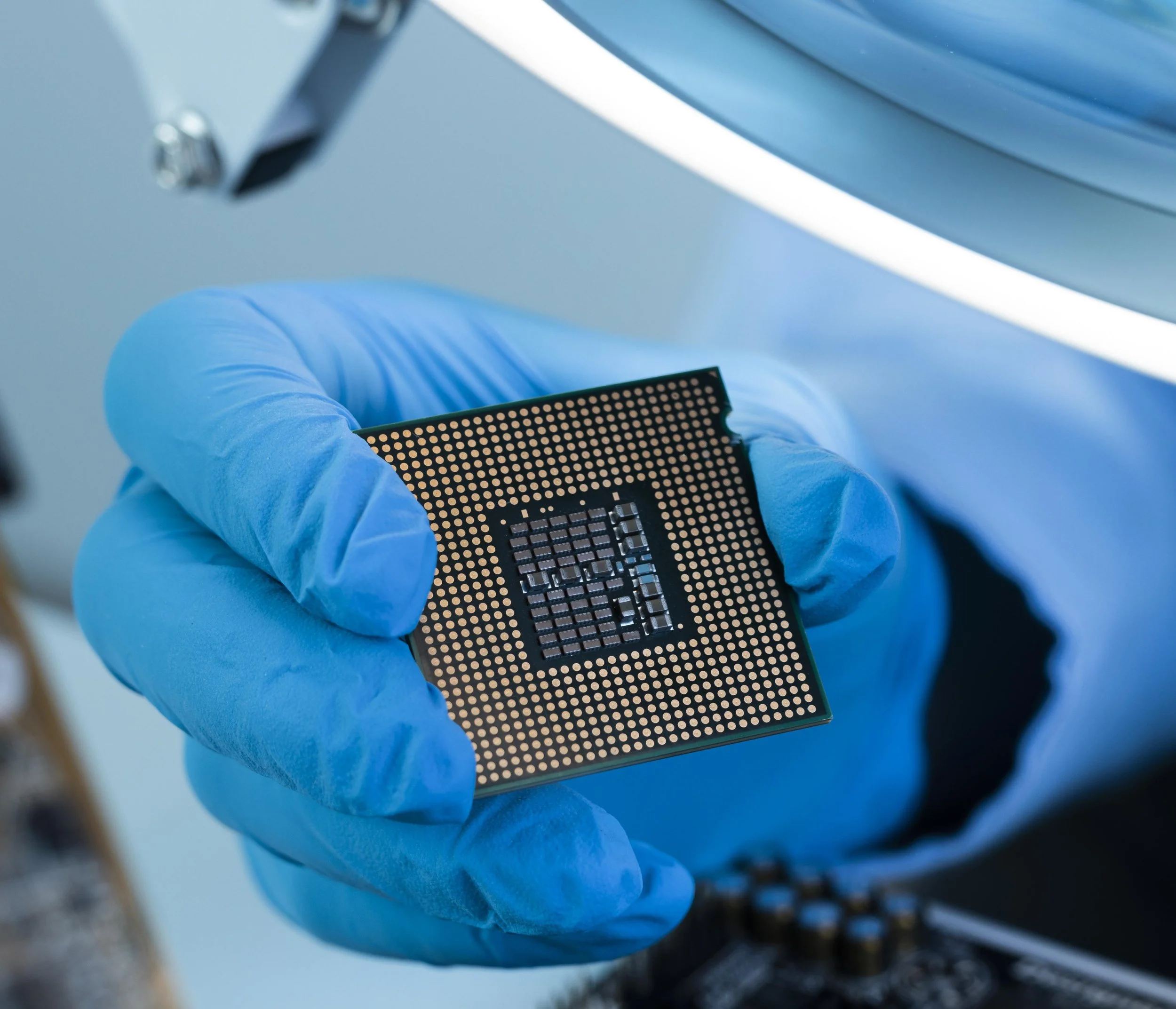
1. The Semiconductor Ecosystem: The Bay Area is the global center of semiconductor design. While fabrication has moved to foundries in Arizona and overseas, the precision tooling, wafer handling equipment, and test fixture manufacturers remain concentrated here — and they are in extreme demand.
2. Tech-Adjacent Precision: Bay Area machine shops, PCBA assemblers, and prototype houses serve the most demanding R&D departments in the world. Their ability to deliver complex, low-volume, high-precision work on tight timelines is a competitive moat that commodity manufacturers cannot replicate.
3. Biotech & Medical Devices: The South San Francisco biotech corridor and the broader Bay Area medical device community drive demand for ISO 13485-certified contract manufacturers, clean room operations, and specialized assembly services.
We Serve the Full San Francisco Bay Area Industrial Spectrum
Whether you run a semiconductor fixture shop in Milpitas or a biotech contract manufacturer in South San Francisco, our specialized deal teams understand your technical value.

Semiconductor & Electronics (Santa Clara, Fremont & Milpitas)
Silicon Valley's semiconductor ecosystem depends on a network of precision manufacturers producing tooling, fixtures, wafer handling equipment, and test systems.
Who We Help: Semiconductor equipment component manufacturers, PCBA and electronics assembly houses (IPC Class 2 and Class 3), precision fixture and tooling makers, wafer handling system builders, and electronics test and measurement equipment companies.
The Buyer Pool: Semiconductor equipment companies (Applied Materials, Lam Research, KLA supply chains), electronics PE platforms, and international companies seeking a Silicon Valley manufacturing presence.
Key Value Driver: Approved Vendor List (AVL) relationships with Tier 1 semiconductor equipment companies. Getting qualified as a supplier for Applied Materials, Lam Research, KLA, or ASML takes 12 to 18 months of audits, first article inspections, and quality system reviews. Buyers acquiring your shop are buying those relationships — and the multi-year revenue visibility attached to them — without the qualification wait. That AVL position is often worth more than the equipment on your floor.

Precision Prototyping & R&D Manufacturing (South Bay & Peninsula)
Bay Area prototype shops are the secret weapon behind some of the world's most innovative companies. The ability to turn a CAD file into a finished part in 48 hours is a capability that commands premium pricing and premium valuations.
Who We Help: Rapid prototype and first article shops, 5-axis CNC houses (Inconel, titanium, PEEK, Ultem), 3D printing and additive manufacturing services (DMLS, SLA, SLS), and small-batch precision machining operations serving hardware startups and R&D labs.
The Buyer Pool: Advanced manufacturing platforms, PE firms targeting high-margin precision services, and strategic buyers seeking Bay Area R&D manufacturing capabilities.
Key Value Driver: Speed, technical capability, and margin profile. Bay Area prototype shops routinely charge 2x to 4x the hourly rate of Midwest job shops — and their customers pay it gladly because a 48-hour turnaround on a first article is worth more than saving $50/hour on machining time. We present your margin premium as a feature, not a risk, showing buyers that your pricing power is structurally protected by location and capability.
Biotech & Medical Manufacturing (South SF, East Bay & Peninsula)
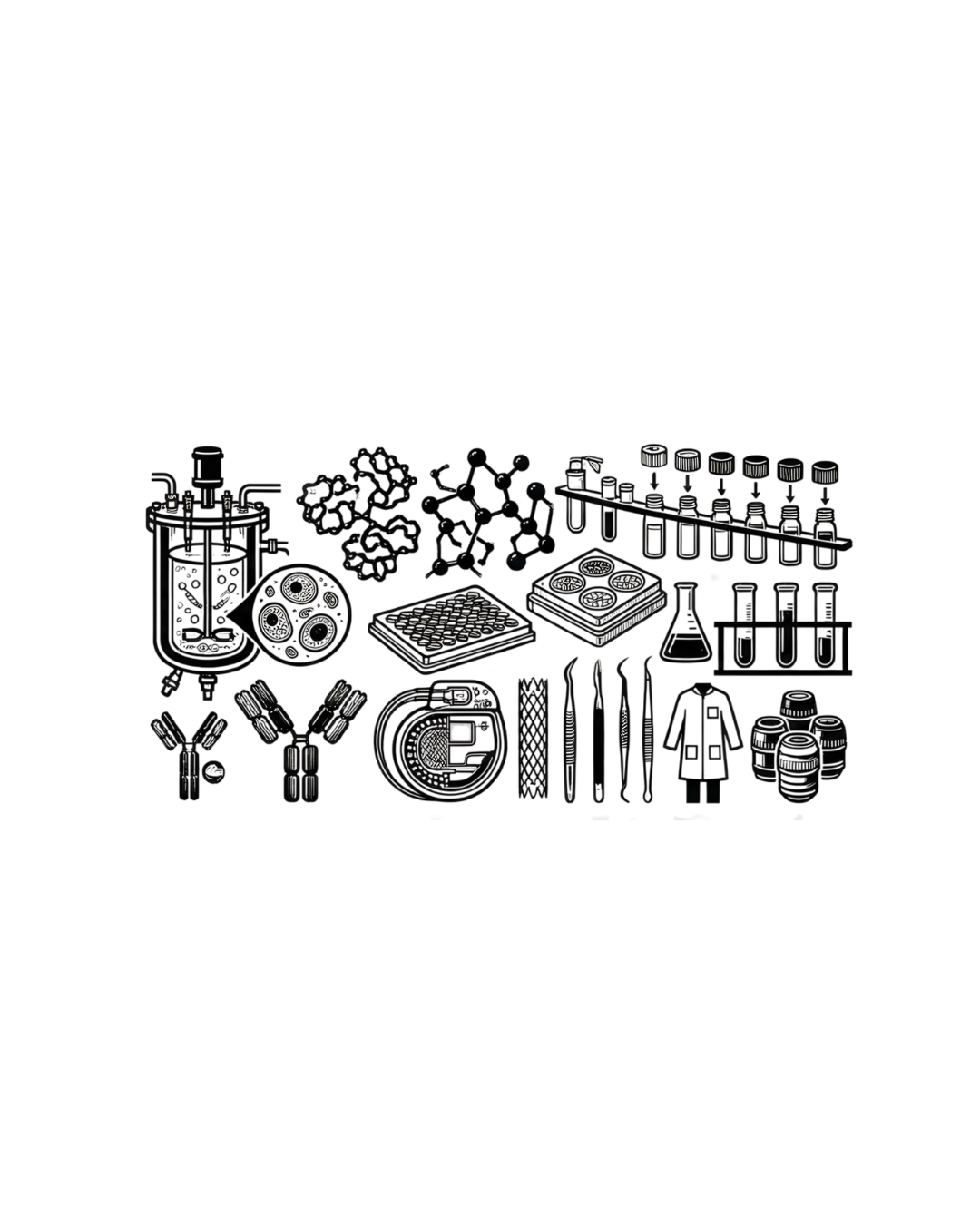
The Bay Area's biotech boom has created enormous demand for local contract manufacturers who can produce clinical trial devices, lab instruments, and FDA-regulated components.
Who We Help: ISO 13485-certified contract manufacturers, clean room assembly operations, lab instrument builders, and biotech device prototype shops.
The Buyer Pool: Life science holding companies, MedTech strategics, and healthcare-focused PE firms.
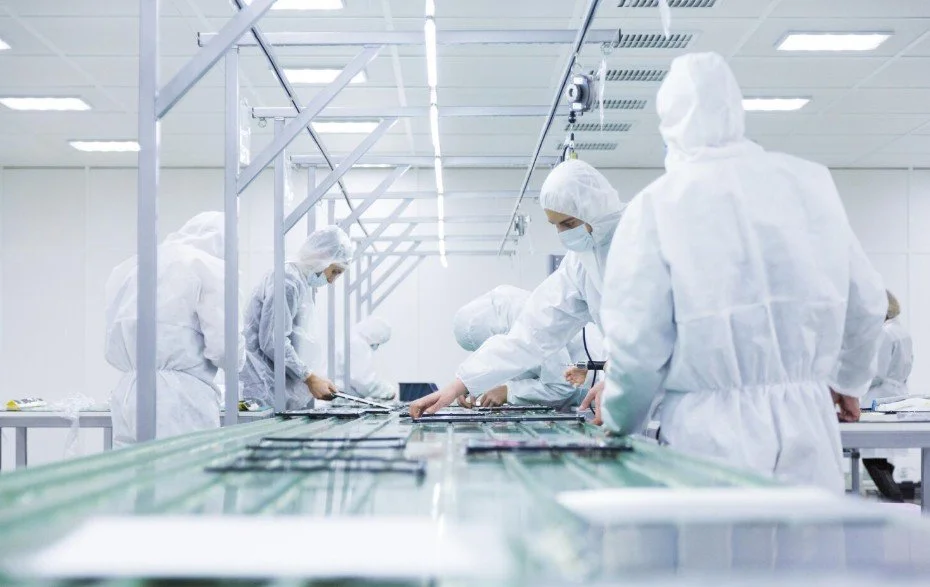
Key Value Driver: ISO 13485 certification, FDA facility registration, and clean room infrastructure. Building an ISO 7 clean room from scratch costs $250 to $600 per square foot and takes 6 to 12 months. Achieving ISO 13485 takes another 12 to 18 months. Buyers acquiring your facility are buying 2 to 3 years of regulatory and infrastructure work they cannot shortcut — plus established relationships with biotech OEMs who won't switch suppliers mid-program.

The "Bay Area Hurdles": What Makes Selling Here Different
The Cost Equation
The Problem: Bay Area operating costs — rent, labor, utilities — are among the highest in the country. Buyers from lower-cost regions question whether the margins are sustainable.
The Solution: We quantify the proximity premium for buyers. We document which customers require same-day delivery, which contracts have on-site support requirements, and which relationships are geographically locked. When Applied Materials needs a fixture by Friday or Genentech needs a device component for a clinical trial, they need a shop within 30 minutes — not 3 time zones away. We show buyers that your higher cost base is offset by pricing power (2x to 4x Midwest rates) and customer retention rates above 90%.
The California Exit Tax
The Problem: Many Bay Area owners plan to sell and move to lower-tax states. California's Franchise Tax Board is aggressive about pursuing capital gains tax on residents who leave "too close" to a sale.
The Solution: We coordinate with your CPA to build a residency transition timeline — establishing genuine domicile (home purchase, voter registration, banking, social ties) in the new state before the liquidity event. California's Franchise Tax Board scrutinizes Bay Area sellers more aggressively than almost any other group — a driver's license change is not enough. We time the closing date to align with your established residency, and we structure the sale (asset vs. stock, installment vs. lump sum) to minimize combined federal and state tax exposure.
Industrial Space Scarcity
The Problem: Industrial zoned land in the Bay Area is being converted to residential and commercial use at an accelerating rate. Remaining manufacturing space is scarce and expensive.
The Solution: We position your industrial space as a scarce, appreciating asset. Industrial vacancy in Santa Clara County is below 2%, and several Bay Area cities have not approved new industrial zoning in over a decade. For owned real estate, we structure an OpCo/PropCo split — sell the business, retain the building, sign a triple-net lease with the buyer. Bay Area industrial cap rates are at historic lows (sub-5%), meaning your building generates significant passive income while continuing to appreciate. For leased facilities, we negotiate extensions before listing.
How We Sell Your Bay Area Manufacturing Business
Step 1:Confidential Valuation — We analyze your financials, customer contracts, technical capabilities, and real estate using recent comparable transactions from across the Bay Area manufacturing ecosystem.
Step 2:Pre-Sale Optimization — We audit your customer concentration, key employee dependencies, lease terms, PAGA labor exposure, environmental compliance, and quality certifications (ISO 13485, AS9100, ITAR) to eliminate deal-killing surprises before buyers see your books. Four to eight weeks of pre-sale work can add a full turn of EBITDA to your exit multiple.
Step 3:Targeted Buyer Outreach — We market your business confidentially to semiconductor equipment companies, advanced manufacturing platforms, and PE groups actively acquiring in the Bay Area.
Step 4:Negotiation & LOI — We create competitive tension between qualified buyers to maximize your price and terms.
Step 5:Due Diligence & Close — We manage the full diligence process — equipment appraisals, environmental Phase I, lease assignments, IP verification, and FTB residency planning — to close in 7 to 10 months. We stay at the table through funding and close, not just through LOI.
Valuation: What Bay Area Manufacturing Businesses Are Worth
Bay Area manufacturing businesses typically command the highest per-establishment valuations in the country — driven by the premium customers they serve and the scarcity of their capabilities.
The Silicon Valley Premium: Manufacturers embedded in the semiconductor equipment supply chain trade at exceptional multiples. A shop on Applied Materials' or Lam Research's approved vendor list has revenue visibility that general manufacturers cannot match.
The Scarcity Factor: Industrial vacancy in Santa Clara County is below 2%. Multiple Bay Area cities have converted industrial zones to residential and mixed-use permanently. Your operating facility — whether owned or leased — is an asset whose replacement cost is effectively infinite. A buyer cannot build or lease comparable space without a multi-year search and significant capital.
The Margin Advantage: Despite higher costs, Bay Area precision manufacturers often operate at higher gross margins than their counterparts in lower-cost regions because their customers are not price-sensitive — they are speed- and quality-sensitive.
In our experience, Bay Area precision manufacturers serving the semiconductor or medical device sectors trade between 5.5x and 9.0x adjusted EBITDA. General machine shops without sector specialization trade at 4.0x to 6.0x — still above the national average.
Curious what your business would trade for? We use recent comps from closed transactions in Santa Clara, Fremont, Hayward, South San Francisco, and Milpitas — not rules of thumb and not automated calculators.
Frequently Asked Questions
-
A: On average, 7 to 10 months. Deals involving semiconductor supply chain customers may move faster because buyer demand is intense.
-
A: It can be. Buyers and their banks typically want 5 or more years of lease runway. We recommend negotiating a lease extension or renewal option before going to market. In the Bay Area, where industrial vacancy is near zero, landlords are often willing to extend.
-
A:To potentially avoid California capital gains tax, you need to establish genuine residency in your new state before the transaction closes. The Franchise Tax Board is particularly aggressive with Bay Area sellers. We work with your CPA to plan the timeline carefully.
-
A: Yes. In the Bay Area specifically, even small shops with specialized capabilities command interest from larger platforms seeking a Silicon Valley manufacturing presence. Your location, customer relationships, and technical capabilities have strategic value that transcends revenue size.
Ready to Exit Your Bay Area Manufacturing Business?
Don't trust your life's work to a generalist broker who sells coffee shops and laundromats. You need an advisor who understands the value of an Applied Materials AVL position, a Class 7 clean room, and why a Bay Area prototype shop charging 3x Midwest rates is a feature — not a risk — at the closing table.
We are former operators. We speak your language.